Threads of Identity: Darjeeling's Young Artisans Are Turning Ancestral Crafts Into Global Enterprises
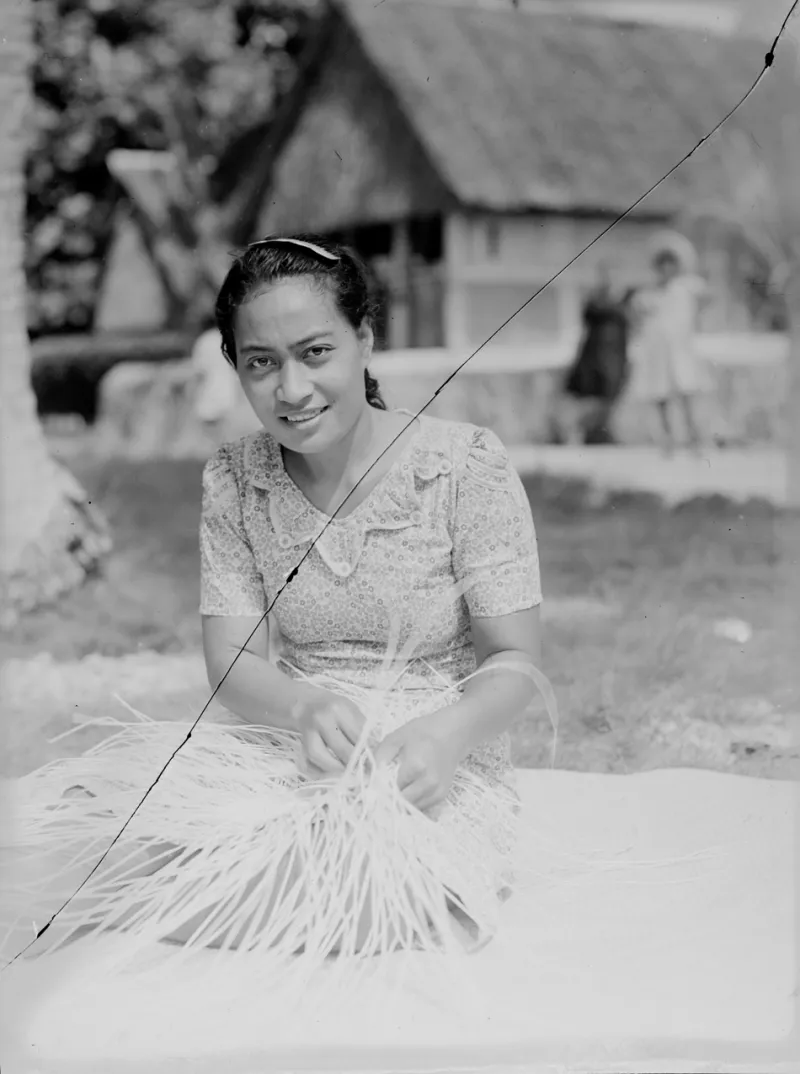
Photo: Collins, Tudor Washington, 1898-1970, photographer, CC BY 4.0, via Wikimedia Commons
In a modest workshop on the outskirts of Darjeeling town, twenty-six-year-old Pemba Tamang sits before a vertical loom that once belonged to her grandmother. The wooden frame is worn smooth by decades of use, yet the carpet taking shape beneath her hands is anything but old-fashioned. Its geometric patterns draw from Tibetan iconography, but its color palette—deep indigo, muted terracotta, sage green—reflects the preferences of a buyer in Portland, Oregon, who discovered Pemba's work through an online marketplace. This scene, increasingly common across Darjeeling's hill communities, encapsulates a quiet but consequential shift: the region's youth are not merely preserving traditional crafts as cultural artifacts. They are engineering them into viable, globally competitive businesses.
A Heritage at Risk—and a Generation Responding
For much of the late twentieth century, Darjeeling's artisan traditions faced the same pressures that have eroded craft cultures worldwide. Mass-produced goods undercut handmade alternatives on price, younger residents migrated toward urban employment, and the institutional knowledge embedded in techniques like hand-knotted carpet weaving, intricate wood carving, and natural dye production began to thin. Community organizations and scholars documented these practices with a sense of urgency, as though recording something already lost.
What they did not fully anticipate was the countermovement that would emerge from within Darjeeling's own youth population. Driven partly by economic necessity, partly by a renewed sense of cultural pride, and substantially by access to digital platforms that connect remote artisans to distant markets, a cohort of young entrepreneurs has begun reclaiming these crafts—not out of nostalgia, but out of strategic vision.
APS Darjeeling has observed this trend developing across multiple disciplines. Carpet weaving collectives in the Lebong and Ghoom areas have enrolled dozens of young apprentices in structured training programs. Wood carvers in Kalimpong are incorporating traditional motifs into contemporary furniture sought by interior designers. And a particularly dynamic cluster of natural dye producers has emerged, sourcing pigments from local plants—indigo, madder root, walnut husk—to supply both domestic textile makers and export clients in Europe and North America.
Craft as Commerce: The Business Architecture Behind the Revival
What distinguishes this generation of artisans from their predecessors is not merely skill; it is business literacy. Many of these young entrepreneurs have pursued formal education or vocational training before returning to Darjeeling, and they bring with them an understanding of branding, supply chain logistics, and digital marketing that previous craft generations lacked.
Take the example of natural dye production. Where earlier practitioners sold raw dye materials at commodity prices to intermediaries, today's entrepreneurs are moving up the value chain. They are processing dyes into standardized, export-ready formats, documenting their sourcing practices to satisfy international certification requirements, and communicating the ecological story behind each product—a narrative that resonates powerfully with the growing segment of American consumers who prioritize environmental and ethical considerations in their purchasing decisions.
Similarly, wood carvers are no longer confined to producing decorative items for local tourist markets. By partnering with design consultants and leveraging platforms such as Etsy and specialized fair-trade marketplaces, several Darjeeling artisans have secured recurring contracts with US-based retailers and interior design firms. The craftsmanship remains rooted in regional tradition; the commercial infrastructure surrounding it is thoroughly modern.
Diaspora Investment: The American Connection
One of the more consequential dynamics fueling this revival is the growing engagement of the Darjeeling diaspora in the United States. Communities of Nepali and Tibetan heritage, concentrated in cities such as New York, Chicago, and the San Francisco Bay Area, have developed both the financial capacity and the cultural motivation to support enterprises in their ancestral region.
This support takes multiple forms. Some diaspora members are making direct equity investments in artisan cooperatives, providing the working capital necessary to purchase raw materials in bulk, upgrade equipment, and fund initial export shipments. Others are acting as informal market connectors—introducing Darjeeling artisans to American buyers, facilitating introductions to retail buyers, and leveraging their professional networks to open doors that geography would otherwise keep closed.
APS Darjeeling has worked to formalize these connections, recognizing that diaspora engagement represents one of the most scalable mechanisms for channeling external resources into community-based economic development. By creating structured channels through which diaspora investors can identify credible artisan enterprises and conduct due diligence, the organization aims to accelerate what has thus far been a largely informal process.
The Conscious Consumer Market: Darjeeling's Competitive Advantage
Across the United States, consumer preferences have been shifting in ways that create a structural opening for exactly the kind of products Darjeeling's artisans produce. The market for handmade, ethically sourced, culturally authentic goods has expanded substantially over the past decade, driven by a combination of environmental consciousness, skepticism toward fast fashion and mass production, and a genuine appetite for products that carry a meaningful story.
Darjeeling's heritage crafts are exceptionally well positioned to meet this demand. Each piece carries provenance—a specific place, a specific tradition, a specific community—that cannot be replicated by industrial manufacturing. The natural dyes are inherently sustainable. The carpets are durable in ways that synthetic alternatives are not. And the cultural narratives embedded in the designs speak to a global conversation about the value of indigenous knowledge and artisan expertise.
For US consumers already familiar with Darjeeling as the origin of some of the world's most prized teas, the extension of that geographic brand into craft goods is a relatively intuitive step. APS Darjeeling views this brand association as an asset to be cultivated deliberately, working with artisans to develop consistent certification and labeling frameworks that communicate authenticity and quality in terms that international buyers can readily understand and trust.
Building Infrastructure for Sustained Growth
The enthusiasm surrounding this craft revival must be matched by pragmatic institution-building if it is to endure. Several challenges remain. Supply chains for raw materials can be fragile, particularly for natural dye inputs that depend on consistent agricultural production. Quality control across a dispersed network of small workshops requires ongoing coordination. And the artisans most skilled in traditional techniques are not always the same individuals best equipped to manage the administrative demands of export-oriented businesses.
Addressing these gaps requires collaborative effort. APS Darjeeling continues to advocate for mentorship programs that pair experienced craftspeople with business-literate younger entrepreneurs, for shared service infrastructure that reduces overhead for individual workshops, and for documentation initiatives that capture and transmit technical knowledge before it is lost entirely.
The goal is not to freeze Darjeeling's craft traditions in a particular historical moment, but to ensure they remain living practices—adaptive, economically viable, and capable of sustaining the communities that produce them. In this sense, Pemba Tamang's loom, connecting a grandmother's knowledge to a customer in Portland, is precisely the kind of thread APS Darjeeling hopes to strengthen across the region.


