Small, Loved, and Maintained: What a 143-Year-Old Mountain Railway Knows That American Transit Doesn't
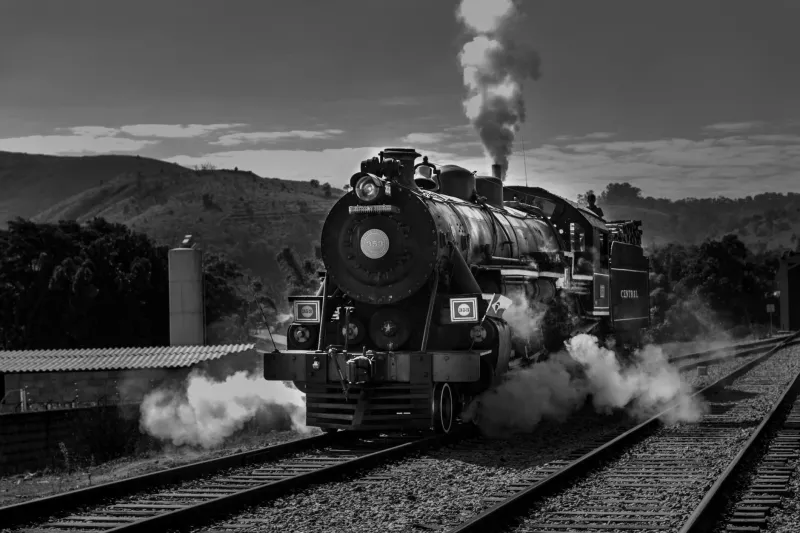
There is a moment on the climb from New Jalpaiguri to Darjeeling, as the toy train switches back across the hills, when a passenger realizes the locomotive may be older than the town's water system, the road beside it, and quite possibly the passenger. The Darjeeling Himalayan Railway — the DHR — has been hauling tea, students, and tourists up these slopes since 1881. It is a UNESCO World Heritage Site. And it runs.
That last fact deserves more attention in the United States than it gets. American transit is in a well-documented squeeze: the American Society of Civil Engineers consistently grades the nation's transit infrastructure near failing, agencies from Chicago's CTA to San Francisco's BART face fiscal cliffs, and legacy assets — tunnels, signals, rolling stock — age faster than the budgets that maintain them. The DHR, operating on a fraction of the resources, offers an unfamiliar counterexample: infrastructure sustained not by scale, but by attachment.
Maintenance as Community Practice
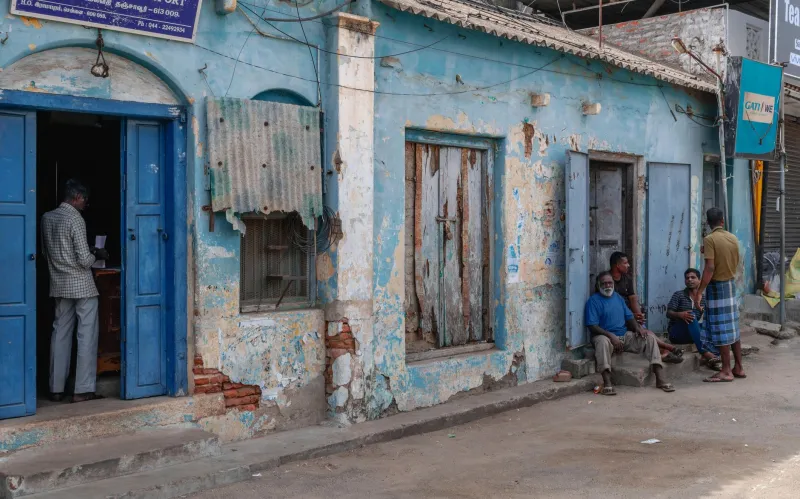
The DHR survives because it is embedded in the towns it serves. Its workshops in Kurseong and Tindharia employ generations of families who can identify an engine by its whistle. When landslides sever the line — as they did catastrophically in recent years — local crews, heritage societies, and railway staff treat restoration as a shared obligation rather than a contract line item.
International recognition has helped. UNESCO status unlocked conservation funding and technical partnerships, and the DHR's Indian foundation has channeled resources into everything from track restoration to a museum preserving the railway's archives. But money alone does not explain the railway's persistence. Plenty of heritage lines worldwide with similar designations have quietly died. The DHR's difference is that the community never stopped needing it or loving it.
"The railway is not a monument here — it's a neighbor," one heritage volunteer explains. "You maintain your neighbor."
The American Translation Problem
US transit advocates have long argued that American systems suffer from a funding model built on boom-and-bust capital investment: enormous sums for new construction, crumbs for upkeep. The DHR inverts that logic. Its entire existence is upkeep. Expansion is nearly impossible on mountain terrain, so all institutional energy flows into keeping what exists alive, safe, and useful.
What would "small, loved, and maintained" look like stateside? A few parallels suggest themselves:
Name the assets. Americans protect what they can identify with. Heritage streetcar lines and preserved railroads attract volunteer energy precisely because they have identity. Transit agencies that treat a subway line as a number, not a civic heirloom, struggle to build the constituency that defends maintenance budgets.
Fund the trades. The DHR's longevity rests on machinists and boilermakers whose skills pass from parent to child. American agencies facing technician shortages — Amtrak among them — could learn from the apprenticeship culture that keeps 19th-century locomotives in service.
Measure usefulness, not novelty. The toy train is not the fastest way up the mountain. It endures because it remains woven into daily life and local identity. US transit planning, obsessed with shiny new lines, often abandons service that is merely reliable — the very thing riders value most.
A Humble Export
None of this means American transit should romanticize a railway that carries tourists at walking pace. The DHR faces its own pressures: climate-driven landslides, labor costs, and the eternal fragility of heritage funding.
But as US cities weigh how to rescue systems built a century ago, the Himalayas offer a reminder that infrastructure is never only steel and concrete. It is a relationship between a community and the thing that carries it. The DHR has kept that relationship alive for 143 years. American transit, in many places, is still trying to remember it had one.