Before the Siren: Five Habits of Darjeeling's Volunteer Disaster Brigades That American Towns Can Adopt This Year
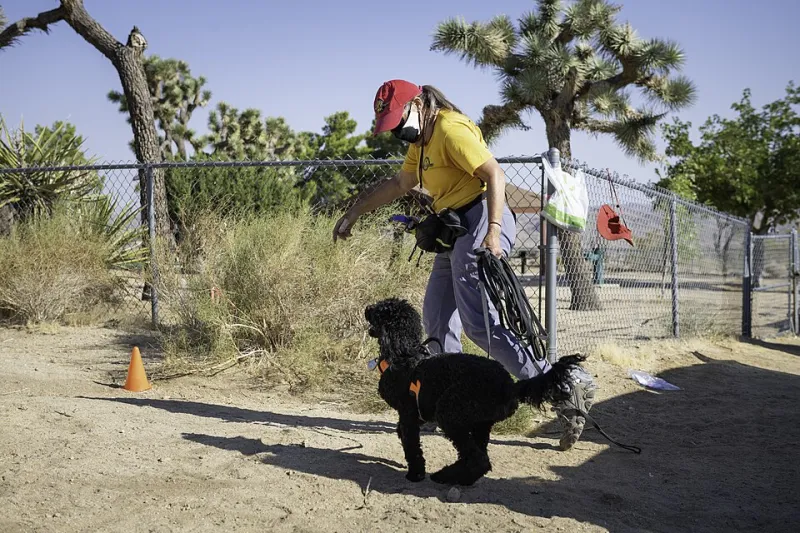
Photo: Joshua Tree National Park, Public domain, via Wikimedia Commons
The first forty-eight hours of a landslide are not a government operation. They are a neighborhood one.
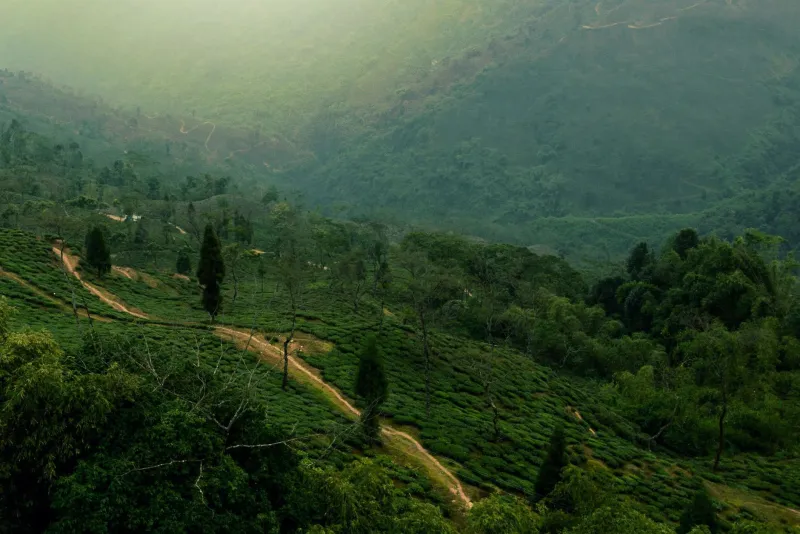
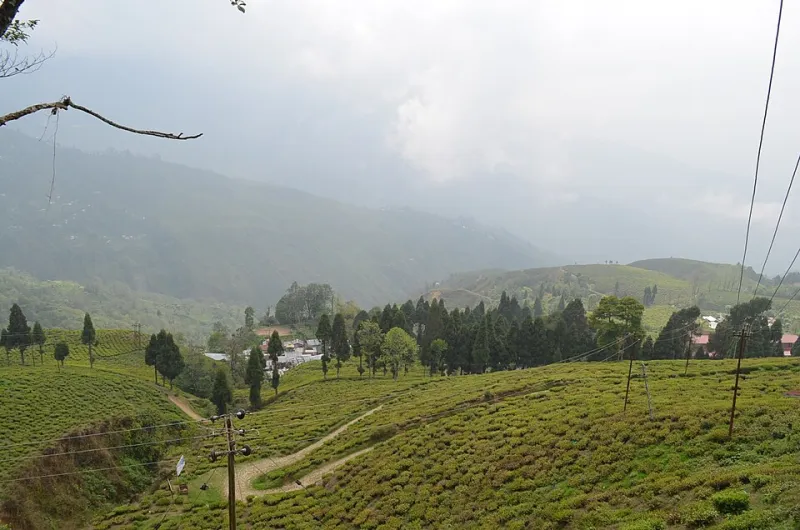
In the Darjeeling hills, where slopes are steep, soils are saturated for months, and the monsoon reliably rearranges the roads, that reality is not a talking point. It is a standing arrangement. Ward-level committees, youth clubs, and farmer groups maintain rosters, equipment caches, and drill schedules that go live the moment the ground moves — long before an excavator can reach the site.
American towns are discovering the same arithmetic. Wildfire evacuation orders, flash floods, and multi-day outages regularly outrun the professional response in the first critical hours. What follows are five practices from the hills that translate into action items, each of which a resident group or local official could begin this year.
1. Name the people before you need them
The Darjeeling version: every ward maintains a written roster organized by street, not alphabetically — who has a vehicle, who has medical training, who can carry, who needs to be carried, who has a landline, who checks on the elderly widow in the blue house. The roster is revised before each monsoon. Names, not job titles.
The lesson: in a disaster, the bottleneck is rarely willingness. It is knowing who is where. Untested assumptions about who can help and who needs help cost hours.
Your move in 2026: recruit three or four neighbors to map a single block, on paper. Note households with mobility limits, pets, medical equipment requiring power, and single-occupant homes. Share it with the people on it — consent first, always — and give a copy to the local fire or emergency management office.
2. Drill small and often, not big and rarely
The Darjeeling version: brigades run short monthly sessions — an hour or two — rather than one large annual exercise. Members practice knot work, stretcher carries, radio protocol, and evacuation routes until the motions are boring. Boring is the goal.
Your move in 2026: replace one annual preparedness fair with twelve short sessions. A monthly two-hour block on a Saturday, held in a garage or a church hall, builds more usable capability than a single event with a bouncy castle.
3. Pool equipment in a common locker
The Darjeeling version: rather than each household buying gear it will use once a decade, brigades maintain a shared shed — rope, tarps, stretchers, torches, batteries, basic first aid, hand tools — with a sign-out sheet and a designated keyholder on each street.
The lesson: equipment that exists is not the same as equipment that is reachable at 2 a.m. by someone who knows how to use it.
Your move in 2026: identify one accessible, non-flood-prone location and stock it for the specific hazard your town actually faces. In fire country that means N95 masks and evacuation route maps; in flood country, water rescue throw bags and sandbag fill stations; in ice-storm country, blankets, chain saws, and a generator plan. Publish the location and the keyholder rotation.
4. Write one page, then test it in the dark
The Darjeeling version: each brigade keeps a single laminated page — who calls whom, in what order, what triggers which action, where the muster point is. It is tested in conditions that resemble the real thing: at night, without cell signal, in rain.
Your move in 2026: draft that page with your neighbors and then run it once under deliberately awkward conditions. The exercise will expose what a planning meeting never does — that the call tree dies at the third name, that the muster point floods, that half the group cannot read the map on a phone with a dead battery.
5. Build trust in calm weather
The Darjeeling version: brigades are known entities before an emergency because they do visible, unglamorous work the rest of the year — clearing drainage channels before the monsoon, repairing footpaths, running first-aid classes at schools. When they knock on a door at midnight, people open it.
The lesson: the credibility that makes a volunteer force effective is manufactured in ordinary months. A stranger with a clipboard is a liability; a neighbor who fixed the culvert in April is an authority.
Your move in 2026: adopt a small, visible maintenance project connected to your town's hazard — storm drains, defensible-space clearing, culvert inspection, backup-power checks at the senior center. Do it in public, with a sign, and invite people to the next drill from there.
What the Brigades Are Not
It is worth being clear about limits. Volunteers are not a replacement for firefighters, EMTs, or public works. In Darjeeling, as in the United States, the brigades are a supplement: they buy time, they carry information, they prevent small failures from compounding, and they free professionals to do the work only professionals can do.
That supplement is not free. It requires a modest budget for equipment, insurance, and training, and it requires local officials willing to treat volunteers as partners rather than liabilities. But the cost of the alternative is now well documented on both sides of the ocean: hours lost in the first day, when hours matter most.
The mountains have no particular wisdom about American zoning codes or county budgets. They simply learned, through repetition, that the neighbor who knows where the rope is stored is worth more than the plan filed in a drawer.