The Reverse Passage: American Retirees Are Trading Florida for the Fog of Darjeeling
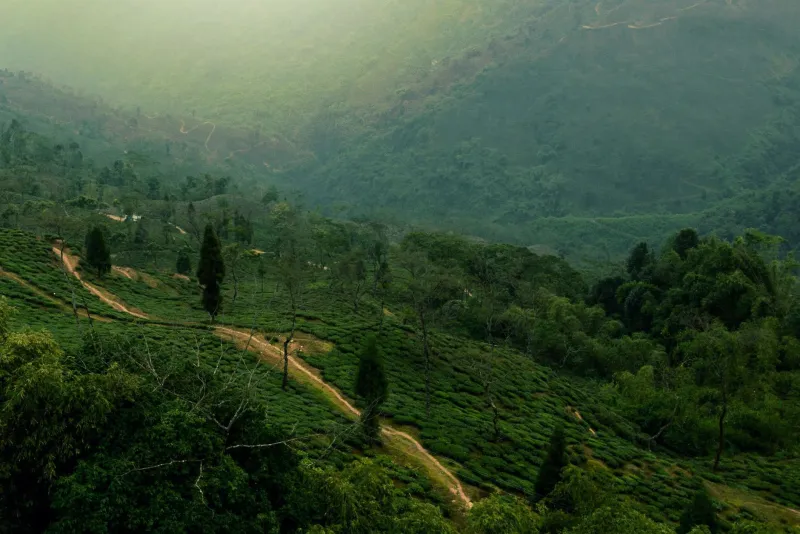
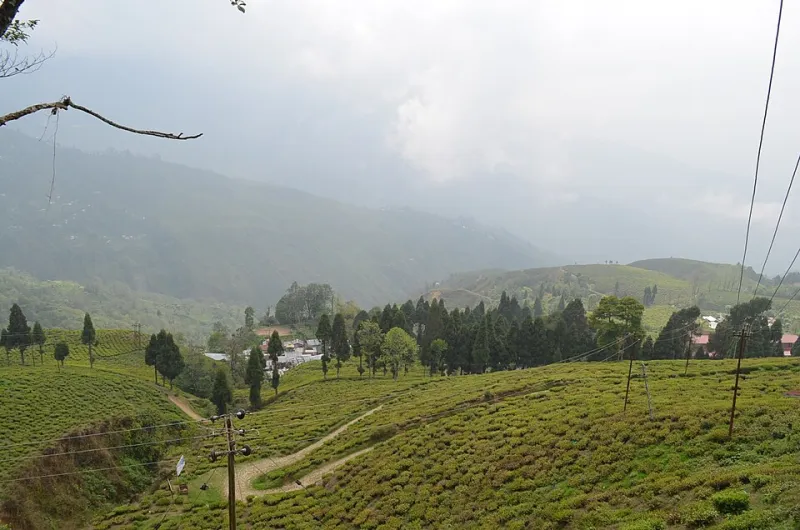
Margaret Ellison spent thirty-four years as a school administrator in Ohio. When she retired in 2022, she did what many Midwesterners do: she priced condos in Florida and Arizona. Then a former colleague sent her a photograph of a hillside town wreathed in mist, with tea gardens terracing down the slopes below.
Today, Ellison rents a two-bedroom flat above a family-run guesthouse in Darjeeling, walks to the market most mornings, and pays roughly a quarter of what a comparable lifestyle would cost her in Sarasota. "I traded a lawn I had to mow for a mountain I get to look at," she says.
Ellison is part of a small but measurable phenomenon: American retirees looking past the standard expat destinations — Mexico, Portugal, Thailand — toward India's eastern Himalayas. Exact numbers are hard to pin down, but long-stay guesthouse owners and rental agents in Darjeeling report a noticeable uptick in American tenants over the past three years, many arriving on extended tourist visas or through India's entry visa categories for longer stays.
Why Here, Why Now
The practical calculus is straightforward. Darjeeling's elevation of roughly 6,700 feet delivers what retirees call "perpetual spring" — cool days, crisp nights, no air conditioning bills and no hurricane seasons. The cost of living is dramatically lower than any US retirement hub: local produce, household help, and healthcare out-of-pocket expenses that, while rising, remain a fraction of American prices.
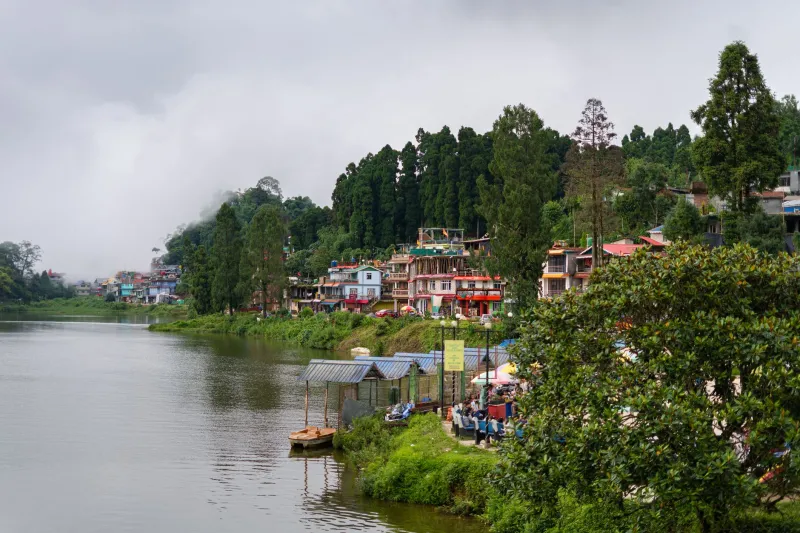
Then there is the social texture. Darjeeling's hill neighborhoods function on a scale that American suburbs abandoned decades ago. Groceries, pharmacies, clinics, and churches or temples sit within walking distance. Neighbors — as multiple arrivals describe — will notice if you don't come down for your morning tea.
"Loneliness is the quiet killer of American retirement," says Dr. Samuel Okafor, a gerontologist who studies expatriate aging. "What Darjeeling offers isn't luxury. It's density of human contact. That's the actual product."
The Fine Print
The realities are less postcard-perfect. India's visa framework does not offer a retirement visa, so long-term American residents typically navigate tourist visa renewals, e-visa limits, or the demanding requirements of long-term entry permits. Healthcare, while adequate for routine needs in Darjeeling's hospitals, means serious conditions involve travel to Kolkata or medical evacuation coverage — a non-negotiable for anyone making the move.
The hills also present physical challenges. Steep streets, monsoon-season isolation, and winter cold snaps test older bodies. Recent political tensions in the broader region have periodically disrupted travel. Veterans of the move advise renting for a full year before committing, and arranging reliable local contacts before arrival.
What It Means for Both Sides of the Ocean
For Darjeeling, the arrivals represent a modest but meaningful economic stream — rents, local hiring, and spending that flows to small businesses rather than resort operators. Some retirees, like Ellison, volunteer with local schools and libraries, adding skills to communities that have long exported their young people to distant cities.
For the United States, the trend is a quiet indictment. When a 68-year-old Ohioan can find more walkability, community, and affordability at the top of a Himalayan ridge than in most American retirement markets, the problem is not her wanderlust. It is what American towns have stopped offering.
Ellison has no plans to return. "People ask when I'm coming home," she says, laughing. "I tell them I finally did."