Where the News Travels by Teaspoon: Darjeeling's Tea Stalls and the Case for Ordinary Third Places
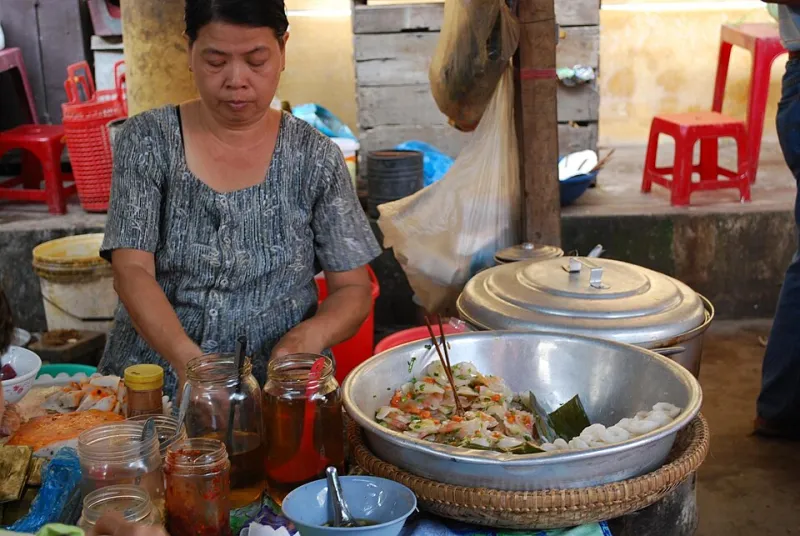
Photo: avlxyz, CC BY-SA 2.0, via Wikimedia Commons
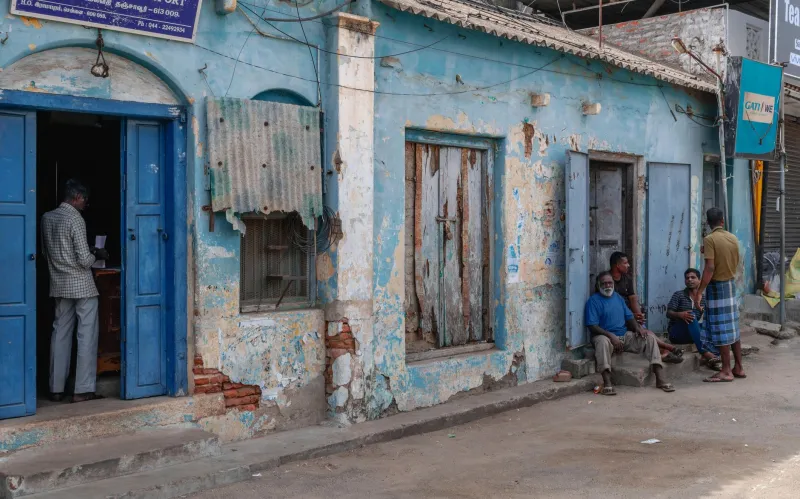
There is a stall near the taxi stand in Darjeeling that seats perhaps ten people, if nobody minds touching elbows. It has a tin roof, a two-burner stove, a bench worn smooth at the edges, and a proprietor who has been pouring the same recipe for so long that his customers no longer order — they simply sit down.
It is not a landmark. It is not on any itinerary. And it performs, every morning, a set of functions that American towns have spent two decades trying to rebuild with consultants, charrettes, and pavilions: it distributes information, it lowers the temperature on disputes, and it puts lonely people in the same room as other people.
A Room the Size of a Closet
Watch one for an hour. A bus driver reports that the road past the curve is slumping and will likely be one-way by afternoon. A shopkeeper mentions that a neighbor's mother has come home from the hospital and might need help with the stairs. Two men who have not spoken since a land dispute last spring end up on the same bench, and by the second cup they are arguing about cricket instead.
None of this is scheduled. None of it is facilitated. The stall is not a community center; it is a room with a kettle in it, and that turns out to be enough.
The Loneliness Ledger
The American numbers are now familiar and still grim. The U.S. Surgeon General's 2023 advisory on loneliness and isolation described a public health problem with mortality effects comparable to smoking. Robert Putnam's diagnosis in Bowling Alone, published in 2000, has only sharpened: the bowling leagues are gone, and so are many of the church halls, union halls, diners, and barbershops that once absorbed the ordinary social business of a town.
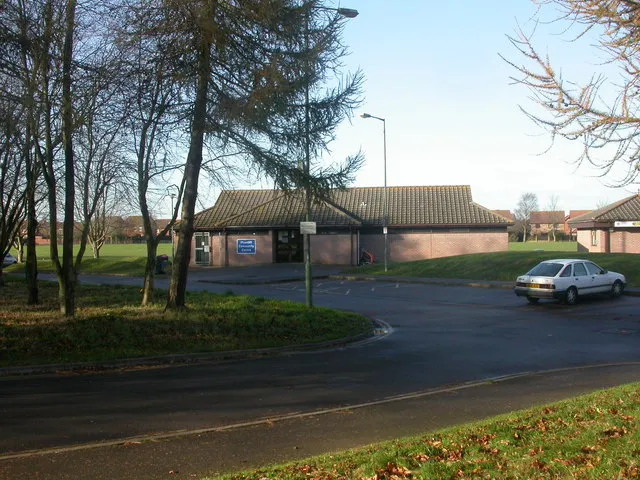
What replaced them was often designed rather than grown. Plazas with fountains and no shade. Town greens with signage forbidding loitering. Farmers markets that run fourteen Saturdays a year. These are not failures of ambition. They are failures of frequency.
What Darjeeling Gets Right
The tea stall works for reasons that have nothing to do with charm.
It is cheap. A cup costs less than a bus fare. A person can sit for thirty minutes without buying anything and no one asks them to leave. Price is not a detail of social infrastructure; it is the load-bearing wall.
It is permitted. Nobody has to book it. There is no program, no registration, no liability waiver. The default setting of the space is yes.
It is routine. The same people appear at the same hour, which is how strangers become regulars, and how regulars become the people you would call if your roof came off.
It is visible. A stall at the junction is watched by everyone and owned by no one, which makes it feel safe in the specific way that a busy sidewalk feels safe.
Three Levers American Towns Actually Control
The temptation is to treat all of this as cultural and therefore unreplicable. It is not. Most of what makes a tea stall work is decided by local policy, and three levers matter more than the rest.
1. Zoning: let the small room exist
Many American codes make a ten-seat, street-facing food business effectively illegal — parking minimums, square-footage floors, use tables that separate retail from assembly from residence. A town that wants third places can create a by-right category for small-footprint, low-impact food and beverage uses, waive parking minimums in walkable districts, and allow a bench, a stoop, and a window counter without a special permit.
2. Small-business support: keep the rent survivable
The binding constraint on a chai-sized business is not demand. It is rent, permits, and the first eighteen months. Simplified licensing, sliding-scale fees, short-term leases on publicly owned property, and micro-grants measured in thousands rather than millions do more for social connection than another marketing campaign. A town that keeps a corner shop open has bought itself a civic institution at a discount.
3. Design: furnish the ground floor of public life
Social infrastructure is often a bench, a water fountain, a shade tree, a public restroom, and a place to buy something for a dollar. American downtowns frequently supply none of these and then wonder why the plaza empties at five. The rule is unglamorous: seats, shade, toilets, and something to eat within a hundred feet.
The Modesty of the Fix
It would be easy to read this as nostalgia — a plea for a slower, homier America that never quite existed. That is not the argument. The argument is that social infrastructure does not require grand buildings or capital campaigns. It requires permission, affordability, and routine, and all three are within the reach of a town council that has stopped looking for a monument.
A tea stall is not a solution to loneliness. But a town with a dozen open rooms where people regularly sit within arm's reach of one another is a town where loneliness has fewer places to hide. That is worth a zoning amendment and a bench.
The kettle is the technology. Everything else is paperwork.